


SPECIALTIES
Therapeutic Peptides For Managing Inflammation and Immune Support
Peptides are small chains of amino acids (from 2-100 amino acids), whereas proteins are much longer strings of amino acids consisting of more than 100 amino acids. The distinction between the two is somewhat arbitrary. These amino acids can be arranged in any order, some repeating, and act as biological messengers for lots of different physiological and biochemical pathways.
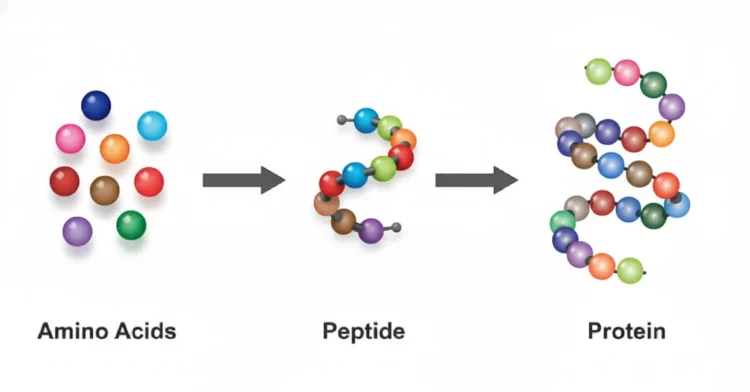
Aside from water and fat, proteins/peptides are found everywhere in the human body, such as collagen, hormones, toxins, mediating signals between neurons, enzymatic cleaving, etc. Peptide hormones are produced by specialized cells and are released into the bloodstream, where they are transported to target organs. Cells possess specific receptors embedded in the cell membrane for these substances, which then act with biological precision on the cell.
Therapeutic peptides have existed for many years, first utilized in Russia as early as the 1950’s. Peptides are more advantageous than pharmaceuticals due to their high target specificity and potential for personalized medicine.
There are several key aspects to therapeutic peptides:
- They mimic naturally occurring substances in the body, such as oxytocin, insulin, and vasopressin
- They target specific pathways and can interact with specific cell membrane receptors, triggering certain cellular processes that lead to a desired outcome
- Peptides have very few side effects unless they are dosed too high, and then nausea may ensue
- Peptides can modulate protein-protein interactions over a large surface area
- Peptides can be tailored to individuals, lending another personalized medicine treatment modality
- Peptides can have proteolytic instability, short half-lives, and this can affect their overall bioavailability
- Peptides are fragile and are dismantled by stomach acid, so oral peptides are unwise. You can do subcutaneous injections of peptides into the abdomen (just like insulin) with little to no bruising or harm, and generally, you administer them 5 days a week.
The following is a list of subcutaneous peptides you can purchase from my office.
- BPC157 – wound healing, gut healing
- DSIP – sleep
- Ipsamorelin – promotes protein synthesis
- KPV – inflammation
- LL37 – antimicrobial
- Melanotan – sleep, suntan
- Selank – brain support/cognition
- Semax – cognition
- Semorelin – wound healing, bones
- TB500 – immune support
- Thymosin alpha
Typically, they arrive as a powder in a small vial, which you must reconstitute with Bacteriostatic water. You usually start with 5 units sub Q/day for 5 days a week for 2 weeks, and then increase to 10 units/day for 2 weeks, and then to 15 units/day for 2 weeks. There is absolutely an upper limit for peptides, but it is very individual and should be monitored closely by a trained physician. Dr. Marra is certified in Peptides with Dr. William Seeds through A4M in 2021. She regularly uses peptides for herself and her patients because they are natural, effective and have no side effects.
Patients who are weary of needles need not fear. The needle is tiny, you can barely feel it going in, and it is similar to the feeling of a mosquito bite. Always use alcohol wipes to wipe the bottle and your belly before injecting. Always store peptides in the refrigerator.
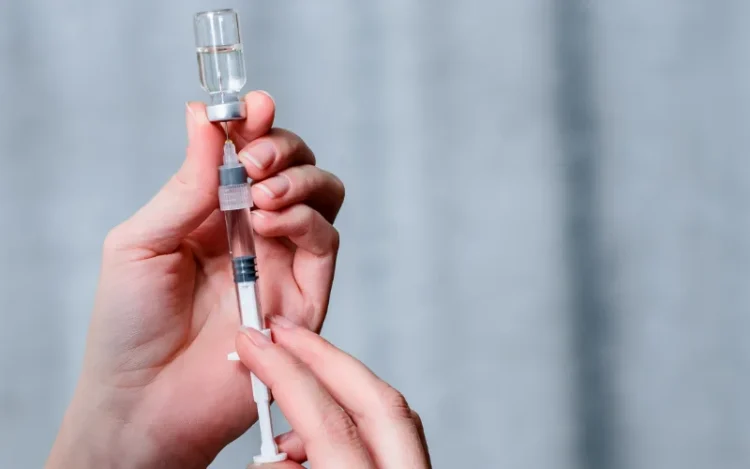
Also, some peptides can be administered sublingually (under the tongue) and intranasally, so in those cases, there is no need for an injection.
If you are interested in using peptides, please feel free to contact Dr. Marra’s office at 206-299-2676.
Bioregulator Peptides
Bioregulator peptides are short chains of amino acids that carry precise biological instructions that remind cells how to function properly, such as when to grow, when to rest, when to repair, and when to self-destruct. They provide subtle guidance by influencing gene expression within a cell. Their size is so small that they can easily enter cells and penetrate the nucleus, where genetic information is stored in genes on chromosomes.
Bioregulatory peptides are naturally produced by cellular metabolism and by tissue regeneration/breakdown. When you are young, the body maintains an adequate reserve of these molecules; however, aging and illness begin to deplete them, rendering poor cell-to-cell communication.
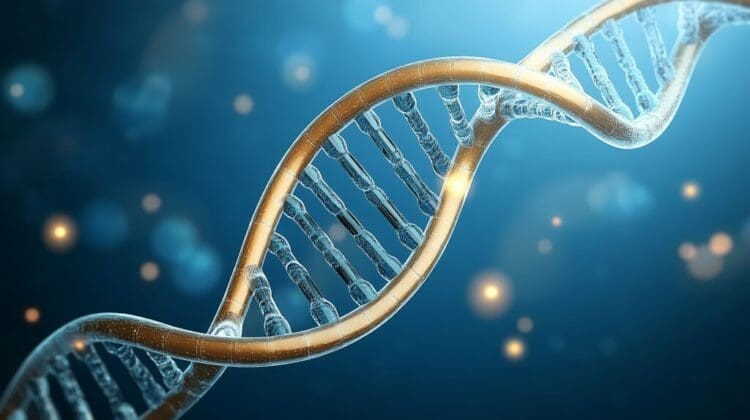
These short-chain peptides are ubiquitous in the body and interact with DNA in a specific way by either suppressing or activating the way the genetic code is read. The bioregulatory peptides help determine cellular instructions that match the cell’s demands at any given time. They restore cellular health by coordinating genes involved in growth, repair, inflammation, senescence, and cell death for specific tissues.
Bioregulatory peptides are not drugs. They are naturally occurring strings of amino acid molecules in every tissue that normalize cellular function. For example, if a neural pathway is overactive, say in the production of quinolinic acid, which is toxic to the brain, neural peptides will signal the cellular environment to normalize cellular function by reducing the overproduction of that metabolite. Rather than introducing foreign chemistry, peptides reinforce existing biological intelligence.
Bioregulatory peptides derived from animal tissue influence gene expression but not by altering DNA. They do so by normalizing a function that is necessary for cellular longevity. This is why these oral peptides are used in very small doses for healing from chronic illness and anti-aging. Typically, the tissue-specific bioregulatory peptides work quickly and quietly to help maintain homeostasis. For example, thymus-derived peptides influence immune function, and liver-derived peptides influence liver function.
It is the nature of life that during chronic illness or aging, the bioregulatory peptides lose their effect on cells, and cells become dysfunctional. That’s why adding these peptides to your daily regimen can help maintain longevity and heal damaged or injured tissue from chronic illness. Bioregulatory peptides influence cellular function by restoring the correct biological instructions for the tissue-specific organ. These molecules translate biological intelligence by restoring lost or damaged messages and help reprogram the aging process from decline toward balance. The breakdown of molecular communication within a tissue explains why it ages slowly over time. These bioregulatory molecules can at least partially restore tissue function in chronic illness and the aging process.