
The State Parks With the Most Tick-Borne Illness
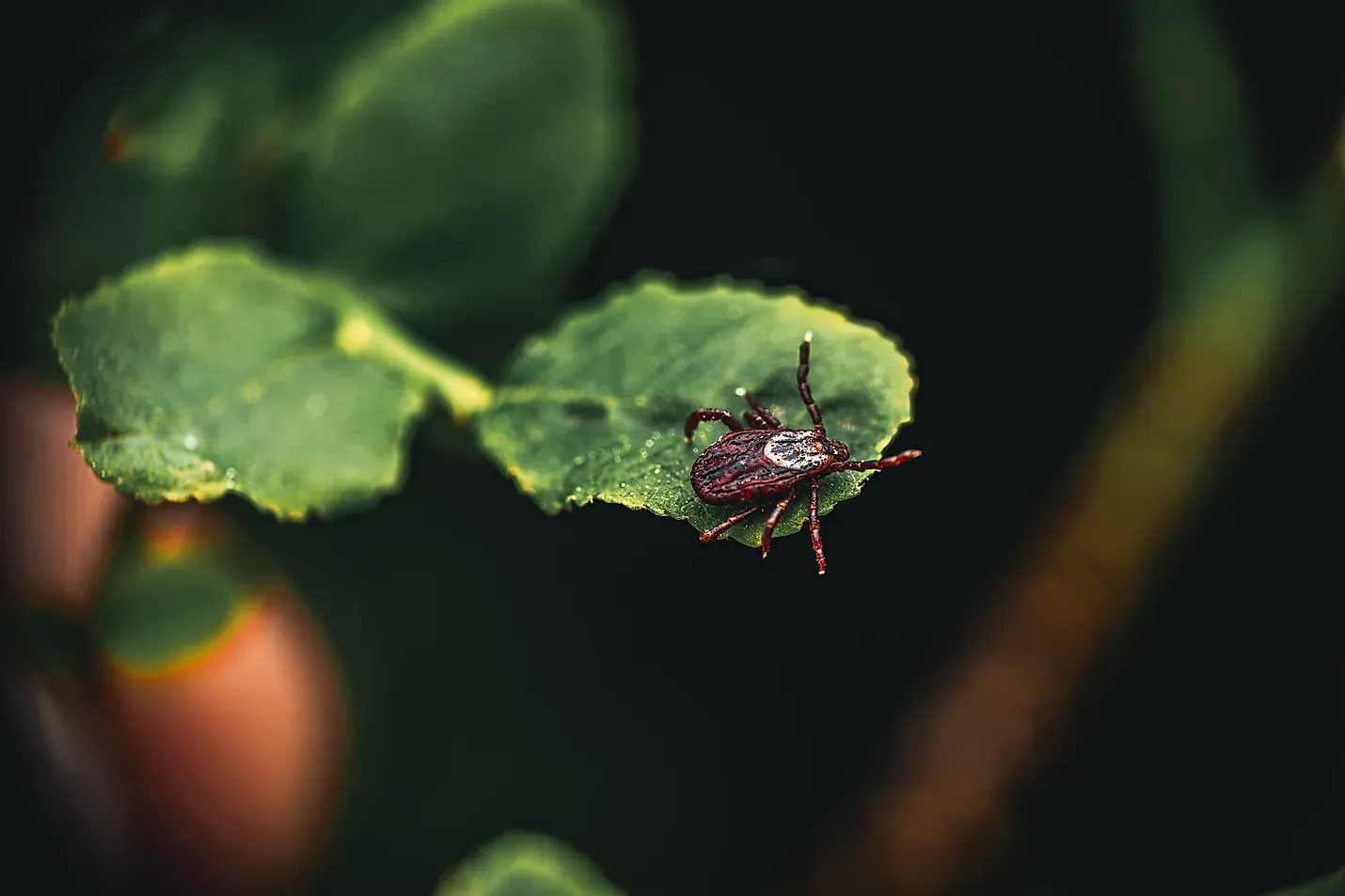
A single walk through tall grass can end with a tick latched behind a knee, and in the country’s Lyme disease strongholds, that walk often happens inside a state park. World Atlas ranks the ten state parks where tick-borne disease risk runs highest, spanning Pennsylvania, New York, New Jersey, Wisconsin, Minnesota, and Illinois. Each entry includes documented tick activity, published research, or firsthand accounts of infection, along with layered prevention tips for anyone heading into the woods.


CBS News: The Explosion of Ticks and Alpha-Gal Syndrome
Emergency room visits for tick bites are surging this year, and with them comes a growing threat: alpha-gal syndrome. This CBS News segment explores how a single bite from a lone star tick can trigger a severe allergy to red meat, and why doctors and researchers are increasingly concerned as cases climb.
This full-length documentary from SLICE Earth examines the global spread of Lyme disease, a bacterial infection transmitted by ticks that is expanding at an alarming rate worldwide. The film explores the wide range of complications patients face, including facial paralysis, painful joints, and severe neurological symptoms, and looks at why diagnosis and treatment remain so challenging around the world.

A new CDC study published in Morbidity and Mortality Weekly Report found that in five states with historically high alpha-gal syndrome rates, nearly one in four adults tested positive for alpha-gal antibodies, with Arkansas leading at 31.2%. Researchers note that a positive antibody test does not necessarily mean a person has alpha-gal syndrome, but the findings suggest exposure to the trigger molecule is far more widespread than previously thought.


Bold New Actions Against Lyme and Tick-Borne Diseases
In this new video from the U.S. Department of Health and Human Services, Secretary Robert F. Kennedy Jr. outlines the federal government’s expanded commitment to combating Lyme disease, alpha-gal syndrome, and other tick-borne illnesses. The message highlights accelerated research, improved patient care, and stronger prevention efforts as part of the broader HHS strategy to reduce cases and better support those affected.
New CDC research from the University of North Carolina reveals that blacklegged ticks carrying Lyme disease are firmly established in western North Carolina, with infection rates comparable to those seen in the Northeast. Researchers collected 373 ticks from residential lawns in Biltmore Forest and found that roughly 40% of adult blacklegged ticks tested positive for the bacteria that causes Lyme disease. Two additional pathogens, one associated with anaplasmosis and one with hard tick relapsing fever, were also detected for the first time in the region. The findings raise concerns that many Southern physicians may not yet be prepared to recognize Lyme disease in their patients.


35-Year Study Uncovers Surprising Ecological Drivers of Lyme Disease Risk
Researchers at the Cary Institute of Ecosystem Studies have released a landmark 35-year study, published in Proceedings of the National Academy of Sciences, that reshapes how we understand what drives Lyme disease risk. Among the biggest surprises: white-tailed deer, long assumed to be central to Lyme ecology, showed no long-term association with tick abundance. Instead, acorn production and white-footed mouse populations proved to be the strongest predictors, with a large acorn crop reliably signaling elevated Lyme risk about two years later.
In a major win for the Lyme community, the U.S. Senate has unanimously passed the Kay Hagan Tick Reauthorization Act, bipartisan legislation aimed at expanding research, testing, and treatment for Lyme disease and other tick-borne illnesses. The bill takes a three-pronged approach: continuing the national public health strategy for vector-borne diseases, reauthorizing regional research centers for five years, and renewing CDC grants to state health departments for prevention and early detection.

Kay Hagan Tick Reauthorization Act Passes the House: Here’s What It Would Fund
The Kay Hagan Tick Reauthorization Act has passed the U.S. House of Representatives, advancing legislation that would provide $150 million over five years for Lyme disease and tick-borne illness research and response. The bill would maintain a national vector-borne disease strategy, sustain regional Centers of Excellence for research and disease surveillance, and renew grants that strengthen state and local public health capacity. It now heads to the Senate for a final vote.
Cases of alpha-gal syndrome, a red meat allergy triggered by the bite of a lone star tick, have spiked this year on Cape Cod and Martha’s Vineyard. Martha’s Vineyard Hospital alone conducted nearly 700 tests for alpha-gal this year, with more than half coming back positive. But experts, including a Tufts University infectious disease professor, emphasize that a positive test doesn’t guarantee an allergy will develop, and that standard tick prevention measures like using repellent, wearing long pants, and doing thorough tick checks remain the best line of defense.

NBC New York: Experts Advise Caution as Tick Numbers Remain High in the Northeast
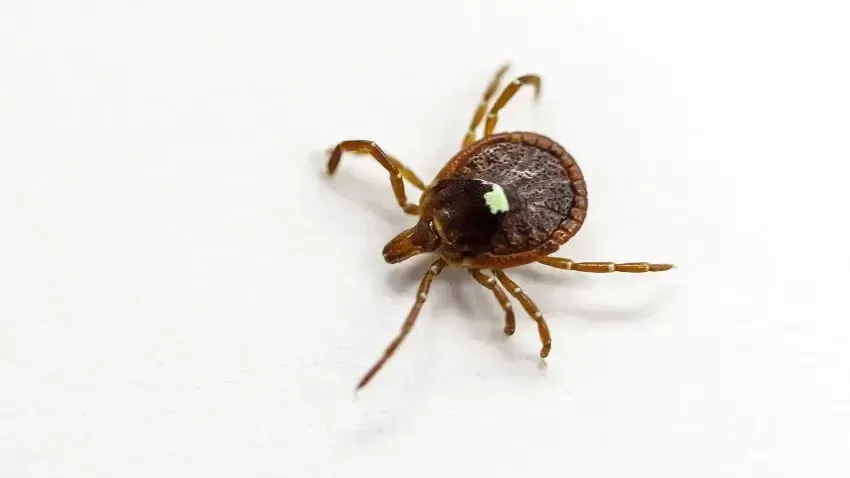
While tick populations in the Northeast are slightly lower than last year’s record highs, experts are urging the public not to let their guard down. Fordham University’s Tick Index is currently at a nine out of ten, indicating high exposure risk in the Tri-State area, and the lone star tick is increasingly making its way north due to climate change, bringing with it the risk of Alpha-gal syndrome. Experts share practical tips on prevention, removal, and what symptoms to watch for.
Tick-borne disease risks are no longer confined to where they’ve historically been found. The New York Times breaks down the biggest threats by region across the country, from Lyme disease and babesiosis in the Northeast to Rocky Mountain Spotted Fever in the West, and explains how booming deer populations, shifting land use, and rising temperatures are bringing different tick species into new areas. Whether you’re in a high-risk region or not, experts say precautions are still essential.

Forbes: The Rising Threat of Tick-Borne Diseases in America
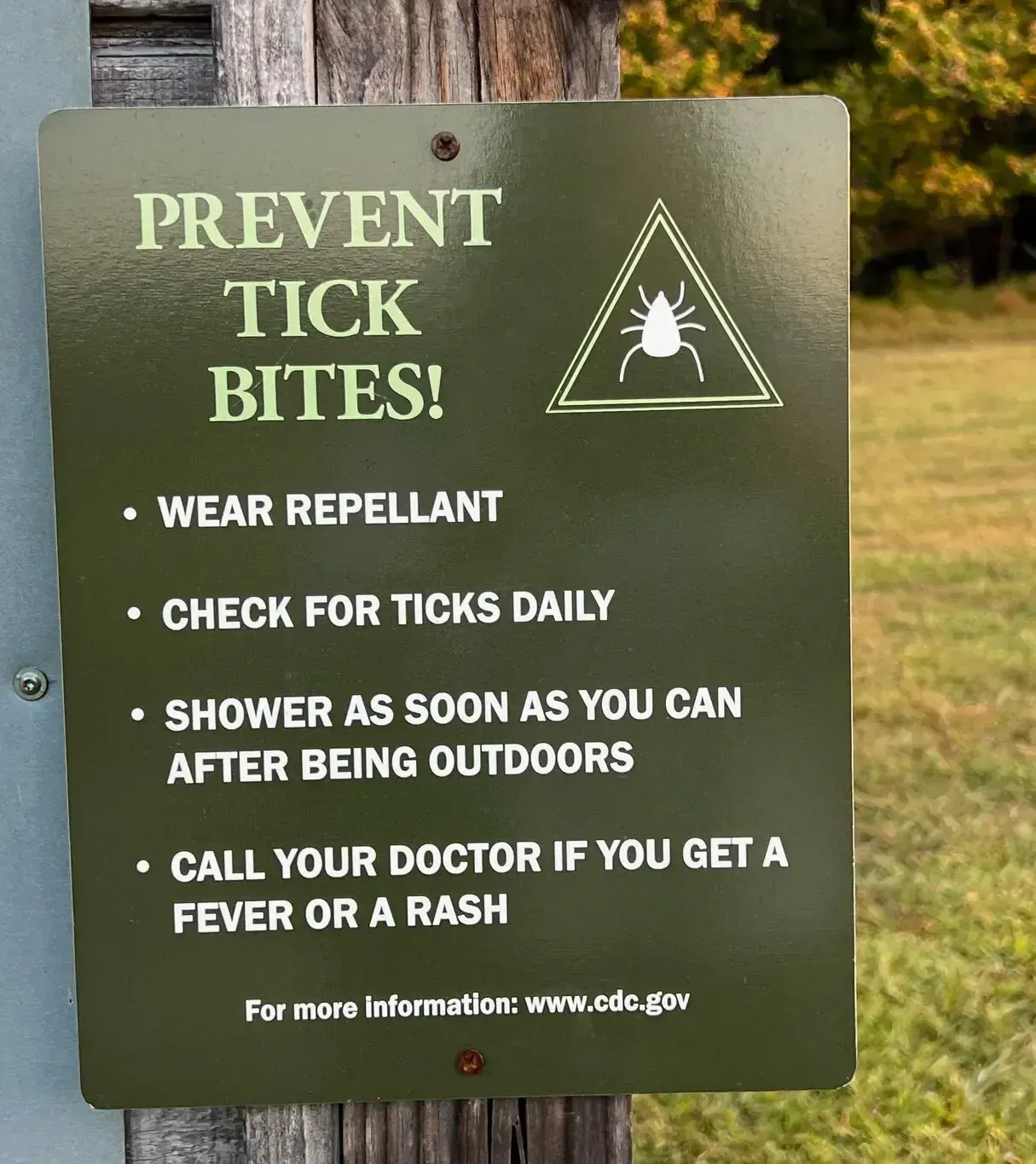
Emergency room visits for tick-borne diseases are at their highest levels in a decade, and the threat is only growing. A practicing physician breaks down the three illnesses Americans need to know about: Lyme disease, Rocky Mountain Spotted Fever, and Alpha-gal syndrome, covering their causes, symptoms, and treatments, as well as why warmer temperatures and suburban expansion are pushing tick populations into new territories. Read the full Forbes report here.
A rare strain of Lyme disease-causing bacteria known as Borrelia mayonii, previously only found in Wisconsin and Minnesota, has now been detected in New York State. A resident in Herkimer County tested positive in 2025, with multiple ticks collected from the property also testing positive. While the overall percentage of infected ticks remains low, public health officials are emphasizing the importance of continued tick surveillance as the blacklegged tick’s range continues to expand across the country.
5 Tick-Infested Areas In Washington
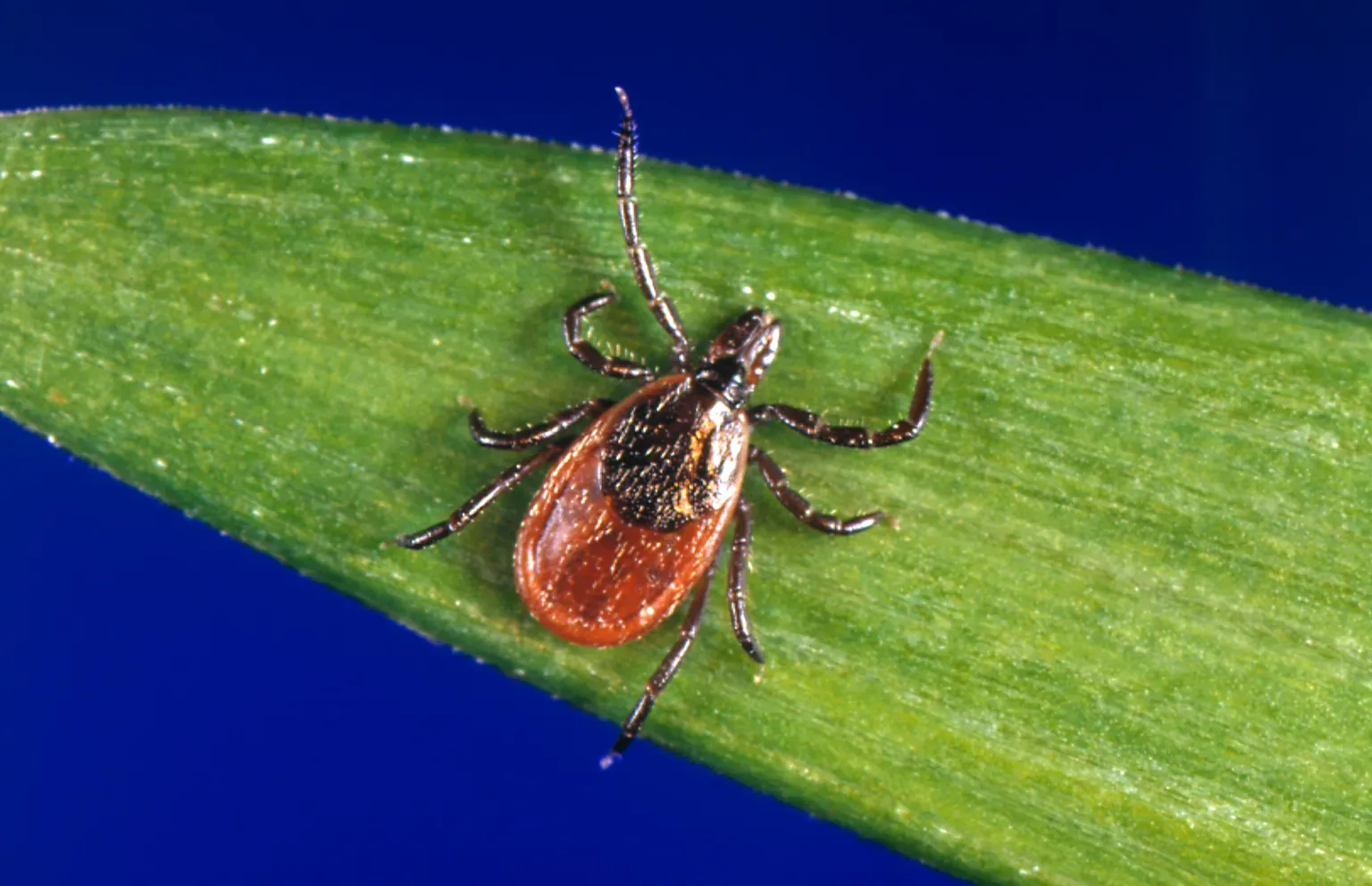
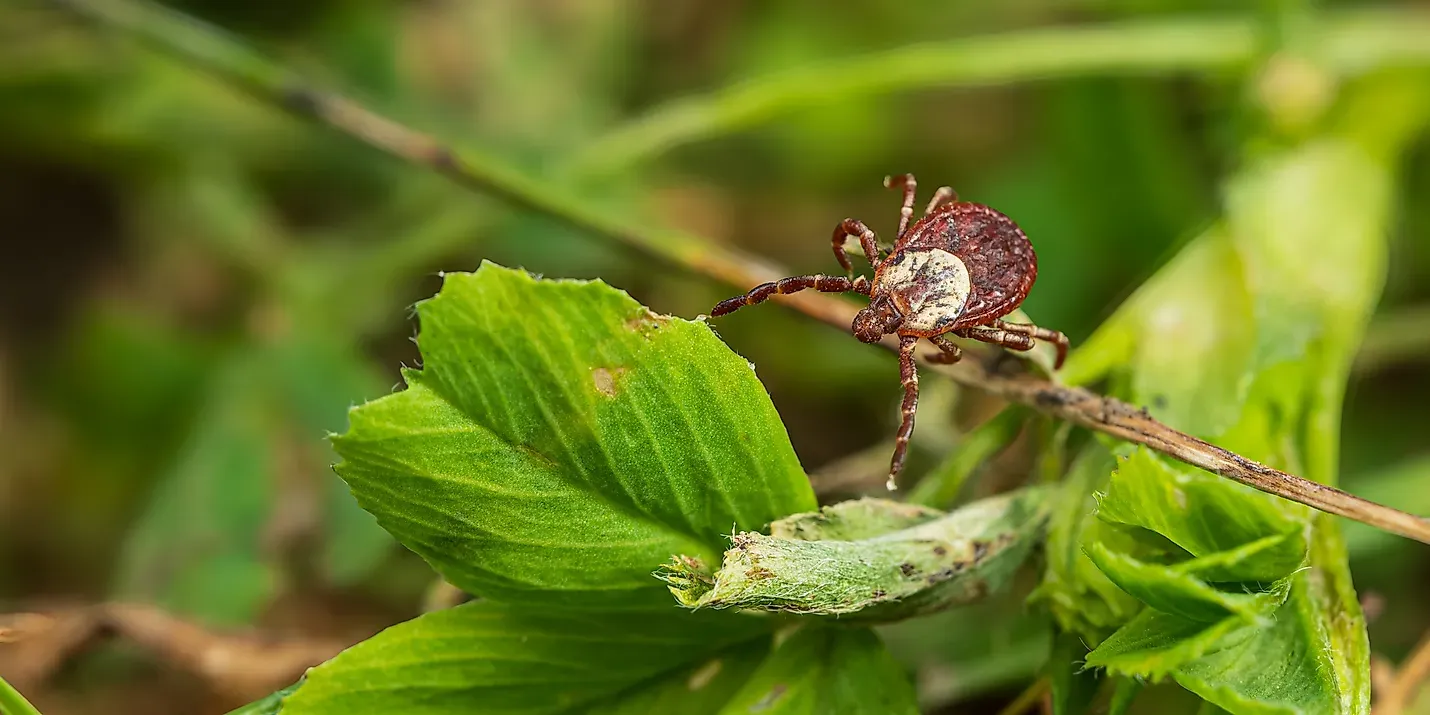
From the dry pine forests around Spokane to the remote wilderness of the Olympic Peninsula, Washington State has no shortage of tick-prone landscapes. World Atlas breaks down the five highest-risk areas, the tick species most commonly found there, and the diseases they can carry, including Lyme disease, anaplasmosis, and tularemia. If you’re hiking, camping, or riding this spring or summer, knowing where to be extra vigilant could make all the difference.
The 2026 tick season is shaping up to be one of the worst in recent memory, with ER visits for tick bites hitting their highest April levels since 2017 nationwide. Scientists warn the trend is unlikely to reverse, a Lyme vaccine isn’t ready yet, and your best protection for now is prevention: bug spray, permethrin-treated clothing, and thorough tick checks after going outdoors.

According to TickReport’s April 2026 Tick Forecast, tick activity is elevated across the entire country this spring, with much of the U.S. at moderate-high levels and several western states, including California, Washington, and Colorado, rated high risk. Four species to watch out for include the western black-legged tick, American dog tick, lone star tick, and black-legged deer tick.

TIME MAGAZINE: It’s Going to Be a Bad Tick Season. Here’s How to Protect Yourself.
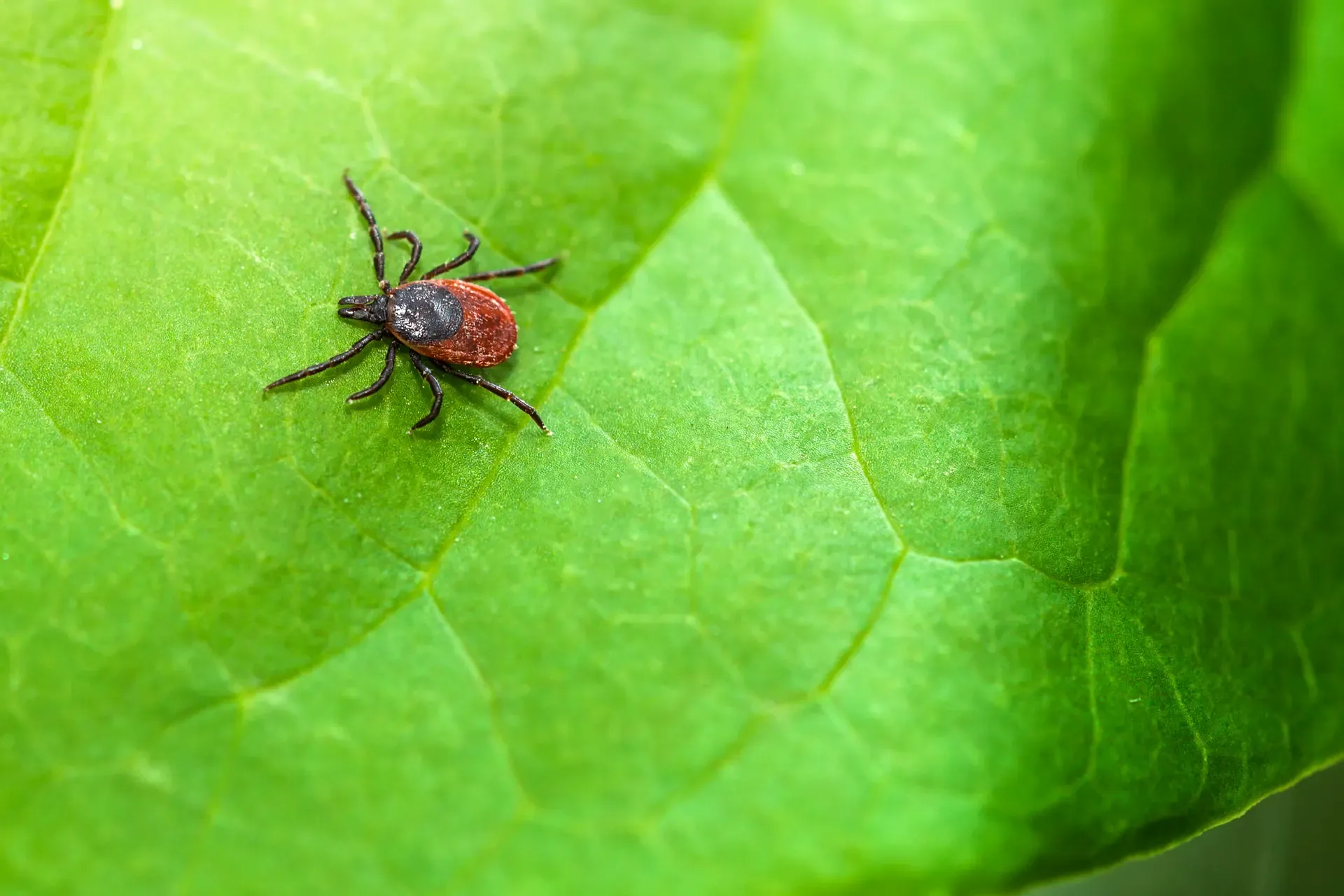
Experts are warning of a particularly active tick season this year, so staying protected outdoors is more important than ever. This TIME article breaks down what’s driving the surge and shares practical tips to help prevent Lyme disease.